Featuring Ethiopia's Experience in Advancing Women's Leadership in Higher Education Institutions
Addis Ababa University's experience shows how online micro-certification, hands-on AI practice and institutional recognition can work together to support women academics professional growth.
Strengthening Women's Participation
In Ethiopia, women's representation in higher education leadership remains limited. At Addis Ababa University (AAU), women account for only 20% of academic staff, reflecting persistent cultural, economic, and digital literacy barriers. These challenges mirror broader patterns across Africa, where women's advancement into senior academic and leadership roles is constrained by systemic inequalities.
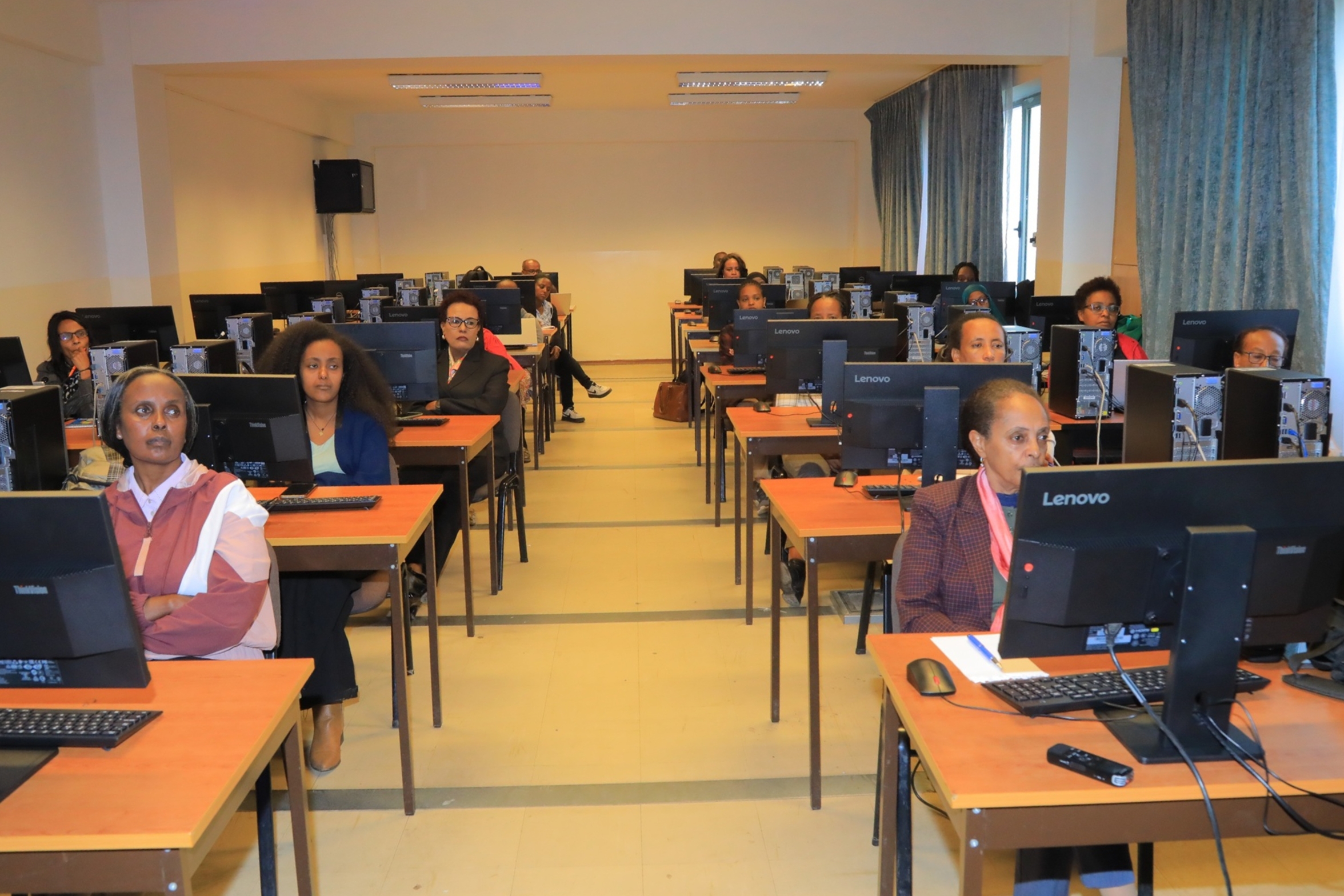
AAU, in collaboration with UNESCO-ICHEI, hosted a workshop under the Women Leading Change in Africa project in August 2026 (© Addis Ababa University)
To confront these barriers, Addis Ababa University joined the Women Leading Change in Africa project. Implemented alongside Hawassa, Arba Minch, and Wollo Universities, the project empowers female academics by enhancing their digital and AI competencies through blended training programs.
This growth reflects Ethiopia's increasing commitment to equipping women with the skills needed to thrive in the digital era.
Enrolment Progress
Participant Feedback and Impact
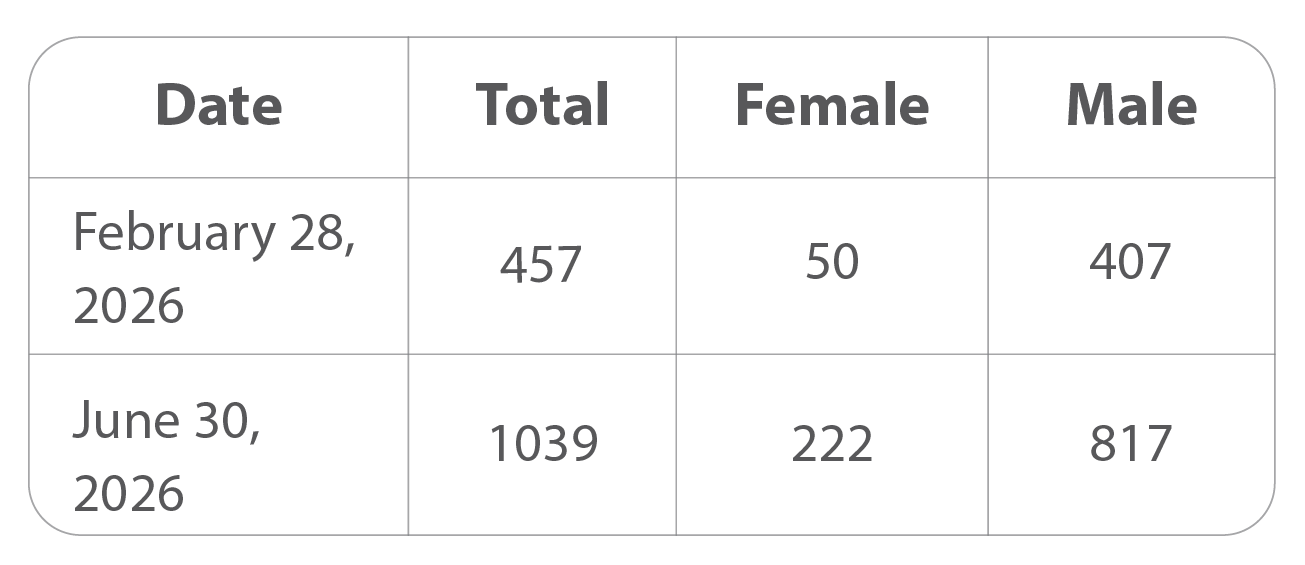
Since the initiation on Feb 28, 2026, the project has already certified more than 1,000 instructors through micro-certificate courses on AI applications in education. Although initial enrolment was modest, enthusiasm grew rapidly once participants completed their first course. Many went beyond the two-course requirement, completing three or four courses and actively encouraging colleagues to join.
Recognising this success, AAU has formally integrated these micro-certificates into its continuous professional development framework. Complementing the online learning, face-to-face workshops provided practical AI training tailored to teaching, research, and management needs. Evaluation results from these sessions confirm their strong relevance: 92% of participants rated the training as "very or extremely relevant" to their professional work.
Future Priorities
To sustain progress and expand impact, Addis Ababa University is advancing a transformative agenda — revising its curriculum, launching multidisciplinary programmes, and embedding digital tools and AI competencies across teaching, research, and management. Building robust digital capacity is therefore critical to ensure that women academics not only participate but lead in shaping Ethiopia's higher education future.
Finding Her Digital Voice
One female course developer reflected that producing her own video lectures in the multimedia studio initially felt intimidating. Yet the process built her confidence and technical skills, enabling her to create future digital content independently. She emphasised that her own video lectures inspire other female academic staff more than generic online materials, underscoring how Ethiopian women educators can lead by example in embracing digital tools.
Accordingly, Addis Ababa University identifies the following priorities requiring continued support from UNESCO-ICHEI and partners:
Curriculum & Course Access. Sustained provision of relevant, high-quality online micro-certificates to meet the growing demand for digital and AI literacy training.
Infrastructure & Dedicated Spaces. Establishment of a state-of-the-art smart classroom within the e-learning department, serving as a shared hub for innovative teaching and professional development across all academic units.
Technical Assistance & Tools. Access to expert guidance and licensing for advanced digital creation and AI platforms, enabling staff to design and deliver engaging, technology-enhanced courses.
Supplemental Funding. Continued external financial support to bridge resource gaps, as internal university budgets remain insufficient to meet the scale of investment required for sustainable e-learning initiatives.
-
Jeilu OumerAthor
Addis Ababa University

- From Readiness to Momentum: Women Leading AI Change at INP-HB
- Makerere's Leadership Experience: Initiatives, Barriers and AI Hopes for the Future
- Bridging the Divide: Empowering Ghanaian Female Educational Leaders in the Intelligence Era
- Building Women's Leadership through Learning, Networks and Partnerships: The UCA Experience
- Mulungushi University: Zambia's Journey Towards Inclusive AI Leadership in Higher Education
- Ahmadu Bello University: Building Women's Confidence in AI Through Practical Learning and Community
- Featuring Ethiopia's Experience in Advancing Women's Leadership in Higher Education Institutions
- From Access to Agency: Ain Shams University Advances Women's Digital Leadership